
The Dyatlov Pass incident explained-
It began in February 1959,when a search party in the Soviet Ural Mountains found a tent that had been cut open from the inside.
The nine hikers who had been sleeping in it were scattered across the snow in various states of undress, in temperatures of minus thirty degrees. Some had fled in socks. Some had no shoes at all. One was missing her tongue.
The Soviet investigation concluded they died from an “unknown compelling force.” Then they classified the files for thirty years.
Nobody has agreed on what happened since.
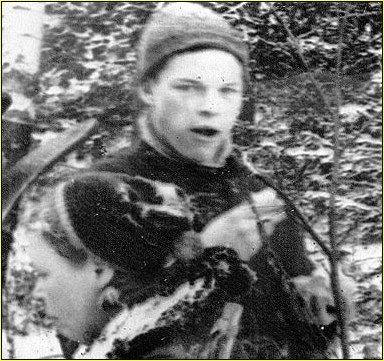
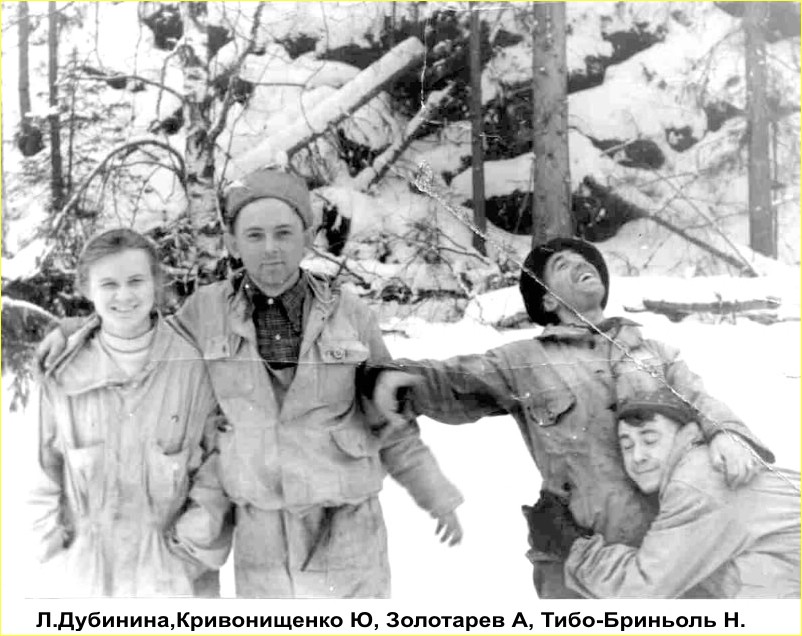
Who They Were
This matters because it changes everything about what happened.
The nine who died were not inexperienced tourists. They were students and graduates of the Ural Polytechnic Institute — seasoned winter hikers who had completed multiple difficult expeditions. Their leader, Igor Dyatlov, was 23 and considered exceptionally skilled. These were people who knew exactly what they were doing in severe winter conditions.
They set out on January 23rd, 1959, heading toward Otorten mountain in the northern Urals. The route was classified as Category III — the most difficult designation available. They were prepared for it.
On January 28th, one member turned back due to illness. The remaining nine continued.
That was the last time any of them were seen alive.
What The Search Party Found at Dyatlov Pass
When the group failed to send their scheduled communication in early February, a search party was organized. What they found when they reached the mountain slope on February 26th has been analyzed, debated and argued over for more than sixty years without resolution.
The tent had been sliced open from the inside. Not unzipped. Cut. With a knife, from within, in what appeared to be extreme urgency. Most of the hikers’ belongings — boots, outer clothing, supplies — were still inside.
The footprints in the snow told a partial story. The group had left the tent on foot, some barefoot or in socks, moving in an organized line down the slope toward the tree line. Not running. Walking. As if whatever they were moving away from was something they were trying to leave calmly rather than escape frantically.
At the tree line, the first two bodies were found. Yuri Doroshenko and Yuri Krivonischenko. Barefoot. In their underwear. Near the remains of a small fire they had apparently tried to build. Branches on the tree nearby had been broken off as high as five meters up, as if someone had tried to climb it.
Three more bodies were found between the tree line and the tent — apparently attempting to return to the camp. Dyatlov himself was one of them, found face up in the snow, one arm raised slightly, facing back toward the tent.
The remaining four were not found until May, buried under four meters of snow in a ravine. And these four changed everything.
The Injuries That Made No Sense
The first five deaths were attributed to hypothermia. Terrible, but explicable given the circumstances.
The last four were not explicable.
Nicolai Thibeaux-Brignollel had a major skull fracture. Lyudmila Dubinina and Semyon Zolotaryov had extensive rib fractures — the kind of internal chest damage consistent with a car crash or being struck by an industrial press. The force required to cause those injuries, according to the forensic examiner, could not have been delivered by another human being. There were no external wounds corresponding to the internal damage. No bruising on the skin. Just catastrophic internal trauma with no visible cause.
Dubinina was also missing her tongue, eyes, and lips. The official explanation — that soft tissue had decomposed or been eaten by animals while the body was submerged in the ravine — has been disputed by researchers who noted the selective and unusual nature of what was missing.
One investigator’s note from the original case file, later declassified, described the skin on some of the bodies as having an unusual orange-brown discoloration. Soviet authorities offered no explanation for this.
Dyatlov Pass Incident Explained — The Leading Theories”
Every attempt at getting the Dyatlov Pass incident explained has produced theories that account for some evidence and fail to account for the rest.
Avalanche — the most recent officially endorsed explanation. A 2021 study suggested a specific type of slab avalanche could explain the injuries and the tent being cut from inside. Critics note there was no evidence of avalanche disturbance at the site and that experienced hikers would not have camped in an avalanche-prone location.
Infrasound — low-frequency sound waves produced by wind patterns in certain mountain configurations can cause panic, disorientation and in extreme cases organ damage. Some researchers have proposed this explains both the sudden evacuation and the unusual injuries.
Soviet military testing — the Urals were a significant site of Soviet military and weapons activity. Some researchers have proposed the group inadvertently witnessed or were caught in a weapons test, with the government’s classification of the files for thirty years cited as supporting evidence.
Krivonischenko’s radiation — when the bodies were examined, some clothing tested positive for radioactive contamination. Krivonischenko worked at a nuclear facility. Whether he brought contaminated clothing on the trip or whether the contamination had another source was never resolved.
The Mansi people — local indigenous people whose sacred land the group may have been crossing. This theory was investigated and dismissed early in the original inquiry.
None of these theories explain everything. Each one accounts for some evidence and fails to account for the rest.
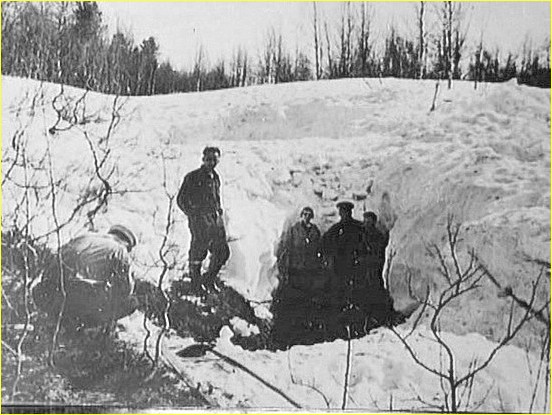
Why It Won’t Let Go
Unsolved mysteries are common. The Dyatlov Pass incident has a specific quality that most don’t — it involves people who were competent, experienced, and made a rational decision to leave their shelter in minus thirty degree temperatures and walk toward the tree line in their underwear.
Whatever they encountered was something their instincts told them was more dangerous than freezing to death outside.
That thing — whatever it was — has never been identified.
The Russian government reopened the investigation in 2019 and closed it again in 2020, concluding avalanche as the official cause. Most researchers who have studied the case in depth consider that conclusion incomplete at best.
The files that remain classified have not been released.
The mountain is still there. The pass was officially named after Igor Dyatlov in 1963.
Nobody camps there.
The Dyatlov Pass incident explained — or rather, never fully explained — belongs to a specific category of historical events that refuse to close.
More unexplained historical events in the Dark History archive — stories that got buried, cases that never closed.
Sources & Further Reading
Official Dyatlov Foundation research and case documents —
The Dyatlov Pass Foundation– (https://dyatlovpass.com)
BBC News coverage of the 2019 Russian reinvestigation —
BBC News– (https://www.bbc.com/news/world-europe-51082366)